

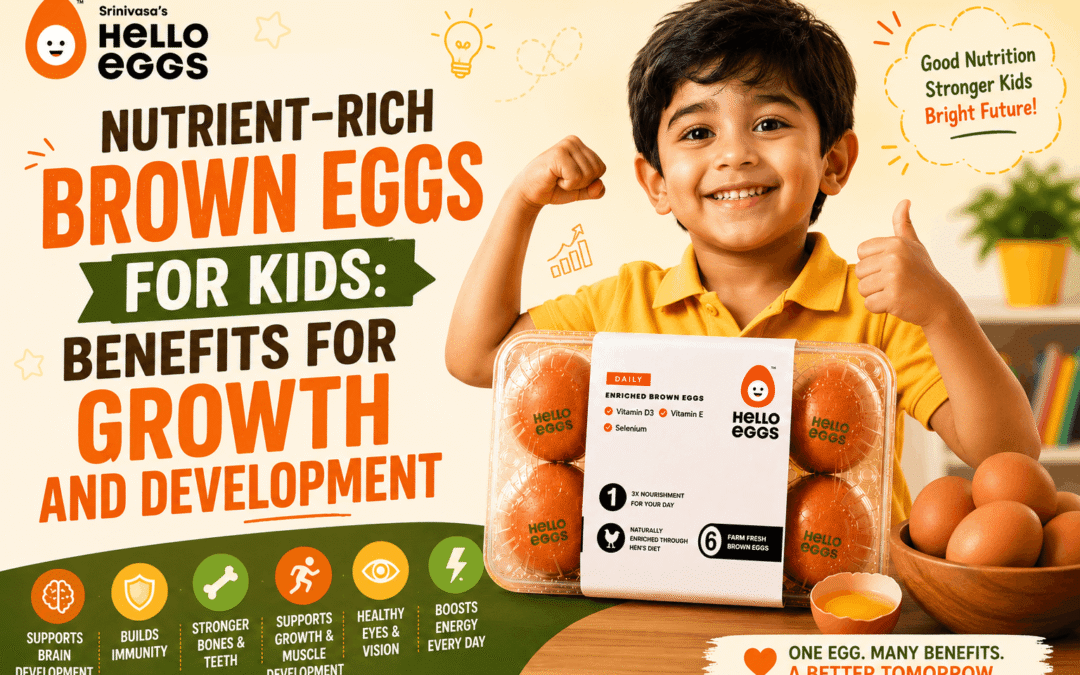
Is Your Child Getting the Right Nutrition for Healthy Growth?
As parents, we often focus on getting children to eat enough. But an equally important question is: Are they getting enough of the right nutrients?
Childhood is a phase of rapid growth, brain development, stronger bones, and an evolving immune system. Every meal contributes to building this foundation, making nutrient-dense foods an important part of a child’s daily diet. Among these, nutrient-rich brown eggs have earned a place as one of nature’s most complete foods.
Packed with high-quality protein, healthy fats, vitamins, minerals, and essential nutrients, nutrient-rich brown eggs can support growing children in more ways than one. Let’s understand why nutrition experts often recommend including eggs as part of a balanced diet.
What Makes Nutrient-Rich Brown Eggs Special?
While the shell colour itself doesn’t determine nutritional value, many premium nutrient-rich brown eggs are produced through carefully managed farming practices and, in some cases, are enriched with nutrients like Vitamin D3 or DHA through the hens’ diet. These eggs continue to provide all the essential nutrients found in regular eggs while offering additional nutritional benefits depending on the type of enrichment.
A single egg contains several nutrients that growing children need, including:
- High-quality protein
- Choline
- Vitamin B12
- Vitamin D
- Selenium
- Healthy fats
- Essential amino acids
This combination makes nutrient-rich brown eggs one of the most convenient whole foods for children.
1. Supports Healthy Physical Growth
Growth requires more than just calories-it requires quality nutrition.
One of the biggest advantages of nutrient-rich brown eggs is their high-quality protein. Eggs provide all nine essential amino acids that the body needs to build muscles, repair tissues, and support normal growth. Since children are constantly developing, adequate protein intake is essential during every stage of childhood.
Including nutrient-rich brown eggs regularly in meals is a simple way to help meet daily protein requirements.
2. Supports Brain Development and Learning
Did you know that eggs are one of the richest natural sources of choline?
Choline is an essential nutrient that plays an important role in brain development, memory, and learning. Since the brain develops rapidly during childhood, ensuring adequate choline intake is particularly important. Studies have also linked egg consumption with improved intake of nutrients like DHA and choline, both associated with cognitive development.
This makes nutrient-rich brown eggs an excellent breakfast option before school.
3. Helps Build Strong Bones
Children spend years growing taller, stronger, and more active.
Vitamin D helps the body absorb calcium efficiently, supporting healthy bones and teeth. Some nutrient-rich brown eggs, particularly Vitamin D3-enriched varieties, provide an additional dietary source of this essential nutrient.
Combined with calcium-rich foods such as milk or yogurt, nutrient-rich brown eggs can contribute to a balanced diet that supports bone health.
4. Supports a Healthy Immune System
Children are naturally exposed to new environments, schools, playgrounds, and changing seasons.
Nutrients like protein, selenium, Vitamin D, and Vitamin A contribute to the normal functioning of the immune system. While no single food can prevent illness, a nutrient-rich diet plays an important role in supporting overall immunity.
Including nutrient-rich brown eggs as part of everyday meals can help provide several of these important nutrients.
5. Keeps Children Full and Energised
Growing children need sustained energy throughout the day.
Because nutrient-rich brown eggs combine protein with healthy fats, they help promote satiety and provide longer-lasting energy compared to many highly processed breakfast foods. This can help children stay satisfied until their next meal while supporting active lifestyles.
6. Provides Multiple Nutrients in One Simple Food
One of the biggest advantages of nutrient-rich brown eggs is that they offer multiple nutrients in a single serving.
Instead of relying on different foods to meet different nutritional needs, eggs naturally provide:
- Complete protein
- Choline
- Vitamin B12
- Selenium
- Riboflavin
- Healthy fats
- Vitamin D (especially in enriched eggs)
This nutrient density makes nutrient-rich brown eggs a practical choice for busy families.
Easy Ways to Include Nutrient-Rich Brown Eggs in Your Child’s Diet
Children often enjoy eggs because they can be prepared in so many different ways.
Some healthy ideas include:
- Boiled eggs as an evening snack
- Vegetable omelettes
- Egg sandwiches
- Egg wraps
- Scrambled eggs with whole wheat toast
- Egg fried rice with vegetables
- Mini egg muffins for lunch boxes
These options make it easy to include nutrient-rich brown eggs several times a week without becoming repetitive.
Are Brown Eggs Better Than White Eggs?
This is one of the most common questions parents ask.
The truth is that the shell colour depends on the breed of the hen, not the nutritional value. However, premium nutrient-rich brown eggs are often marketed alongside controlled farming practices and nutritional enrichment, which may offer additional benefits depending on the product.
So rather than focusing only on shell colour, it’s worth checking the nutritional information and quality standards on the packaging.
Helping Children Build Healthy Eating Habits for Life
Good nutrition isn’t about finding one “superfood.” It’s about consistently choosing wholesome foods that provide a wide range of essential nutrients.
That’s exactly where nutrient-rich brown eggs fit into a child’s diet. They’re easy to prepare, naturally packed with protein and vitamins, and versatile enough to be included in breakfasts, school lunches, or evening snacks.
Towards the end of that journey, choosing eggs from trusted brands also matters. Hello Eggs offers nutrient-rich brown eggs that are produced under controlled farming conditions, with options enriched with nutrients like Vitamin D3 and DHA. By combining quality sourcing, hygienic handling, and functional nutrition, they provide parents with an easy way to include more everyday goodness in their family’s meals. After all, when children receive the right nutrition today, they’re building the foundation for healthier growth and development tomorrow.